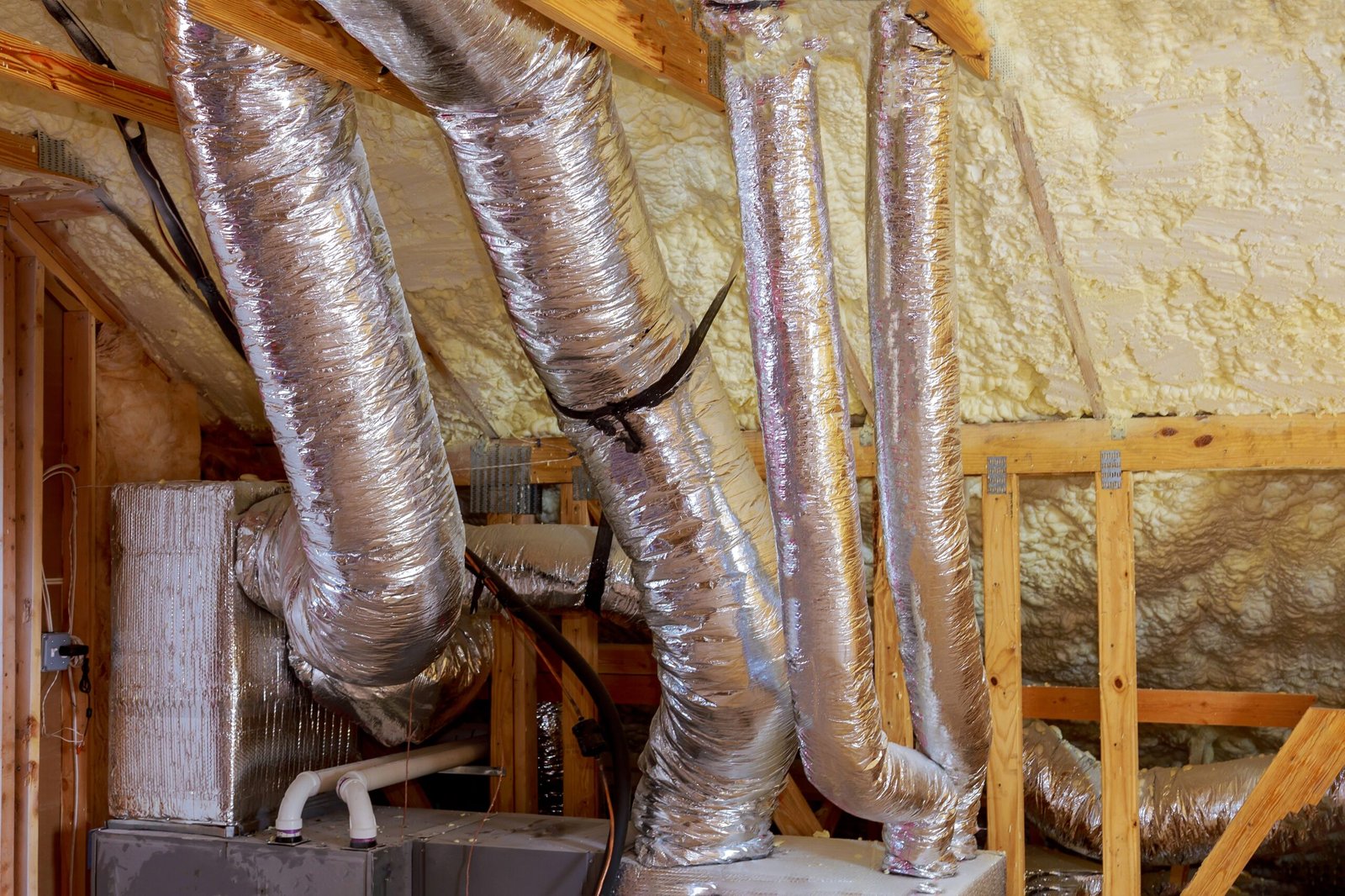
Temperature changes bring unexpected problems to commercial buildings. Complex heating and cooling systems must adjust to weather shifts while keeping indoor conditions just right. When these systems break down, businesses face production delays and equipment damage that can cost thousands each day.
Think about a Midwest manufacturing plant during the hot summer months. Without proper air quality control, excess moisture damages products. Workers encounter safety hazards, and emergency repairs quickly drain budgets. Smart maintenance prevents these problems by matching system performance to seasonal requirements.
Energy savings matter throughout the year. Properly managed heating and cooling systems significantly reduce operating costs in industrial facilities. However, many businesses only fix problems after they happen instead of preventing them. How can managers handle immediate production needs while protecting their systems for the long term?
We help companies create customized solutions for large facilities. Whether managing warehouse airflow or cooling industrial equipment, seasonal changes demand specialized knowledge. Regular inspections catch wear and tear before major breakdowns happen.
Weather remains unpredictable, but businesses can stay prepared. Building strength begins with understanding how temperature swings affect different components throughout the year. The right strategy safeguards both productivity and profits.
Understanding Seasonal Strain on Industrial HVAC Systems
Extreme weather tests large climate control systems in ways most businesses never expect. Summer heat forces cooling equipment to fight both scorching outdoor temperatures and heat generated by machinery inside. This double burden can overwhelm systems, especially in manufacturing areas where equipment operates around the clock.
Winter brings entirely different problems. Heating systems must stop pipes from freezing while controlling moisture buildup near delicate materials. Unlike typical office settings, production processes often need exact temperature control. Just a few degrees of change could destroy entire batches of products.
Energy use patterns show important trends. Cooling typically requires much more power than heating in production facilities. Compressors and motors wear out faster during peak months, particularly when switching between seasonal operations after sitting idle for months.
How does this stress affect equipment lifespan? Well-maintained systems run efficiently for many years, while ignored units break down quickly. Smart adjustments during seasonal changes prevent most weather-related failures that facilities experience.
We help managers handle these pressures through early detection and maintenance approaches. Regular coil cleaning before summer and burner checks before winter keep components working at their best throughout the year. The right strategy transforms seasonal challenges into predictable, controllable situations.
Conducting Preventive HVAC Maintenance Before Each Season
Smart heating and cooling maintenance acts as protection against weather-related system breakdowns. Beginning inspections several weeks before busy seasons lets teams fix problems without rushed orders or expensive overtime work. This timing matches when suppliers can deliver parts while avoiding costly emergency repairs.
Filter care involves more than simple replacements. Housing seals and frame conditions affect airflow just as much as the filter itself. A damaged seal or bent frame allows dirt and debris to slip past even brand-new filters, reducing air quality.
Clean coils directly impact energy costs. Dust buildup on cooling coils forces compressors to work much harder during hot weather. Annual deep cleaning keeps heat transfer working properly, preventing slow performance drops over time.
Complete testing checks every control part under realistic conditions. Technicians verify that sensors read accurately, air dampers respond correctly, and safety systems work properly. These inspections make sure all components work together before real demands begin.
Outside inspectors find hidden problems like coolant leaks or worn motor parts. Their fresh viewpoint catches warning signs that facility staff might overlook during regular checks. Working together turns potential disasters into planned repairs.
Matching service schedules with production needs reduces work interruptions. Facilities plan maintenance during quieter periods while keeping systems prepared for peak demands. This careful timing protects both daily operations and equipment life.
Preparing for Emergencies and Peak Demand
Emergency heating and cooling breakdowns during busy seasons can shut down industrial operations overnight. Production stops, temperature-sensitive materials get ruined, and delayed orders harm client relationships. Facilities need backup plans that handle both immediate fixes and long-term system dependability.
Why do commercial climate control systems need special emergency approaches? Essential parts face the most stress when demand peaks. A broken compressor during summer heat waves or a failed boiler during winter cold can start chain reactions throughout the facility. Working with skilled service providers guarantees a quick response when problems get worse.
Walk on Air’s around-the-clock emergency teams solve issues faster through three key advantages:
- Ready supply of parts for common industrial setups
- Advanced problem detection that finds root causes quickly
- Technicians trained on multiple equipment brands
Strong relationships with service partners prevent expensive guesswork during emergencies. Facilities with existing maintenance agreements get priority response, reducing downtime significantly compared to calling random vendors.
While emergency service costs more than regular maintenance, they pale next to production losses from long breakdowns. One frozen warehouse can destroy hundreds of thousands of dollars in medicines faster than insurance companies process claims. Smart planning turns unpredictable disasters into manageable situations.
Optimizing HVAC Efficiency and Performance
Getting the most from heating and cooling systems requires more than basic checks. It needs smart blending of technology with expert knowledge. Modern facilities reach top performance by combining advanced controls with forward-thinking maintenance approaches. The outcome? Energy costs fall while air quality and equipment dependability improve.
Smart temperature controls and automated tools adjust to when people are working, cutting waste during empty hours. These systems learn production schedules, changing temperatures before shifts begin. Facility managers see significant energy savings within months of setup.
Early detection maintenance tools like heat scanners catch problems before they grow. Movement sensors find motor wear before breakdowns happen, preventing expensive shutdowns. Along with coolant level checks and air duct inspections, these methods keep systems working at their best.
Upgrading parts brings lasting advantages. Variable-speed compressors use less power during lighter demands. High-quality filters maintain steady airflow while capturing harmful particles, which matters greatly for protecting delicate manufacturing processes.
Worker training completes the efficiency picture. Employees who understand temperature control rules and airflow basics become the first line of defense against energy waste. Quick reporting of comfort problems stops small issues from becoming major repairs.
We help businesses put these approaches into action through personalized evaluations and technology integration. The goal? Transform heating and cooling systems from expense areas into precision tools that drive outstanding operations.
Conclusion
Good climate control in large facilities needs constant attention throughout the year. Smart maintenance during spring and fall changes prevents most weather-related system breakdowns. This approach protects equipment life while keeping stable temperatures for delicate operations.
Regular commercial heating and cooling service fixes small problems before they grow bigger. Facility managers who focus on seasonal inspections avoid expensive failures during busy months. Energy-smart performance also cuts operating costs significantly each year.
Walk on Air specializes in heavy-duty solutions that balance air quality with business requirements. Our teams improve airflow patterns, adjust controls, and create intelligent maintenance schedules. These approaches guarantee worker comfort and process dependability throughout every season.
Don’t let changing weather patterns control your facility’s productivity. Contact Walk on Air Heating and Cooling to create a personalized plan. We’ll keep your systems running smoothly while protecting your profits all year long.