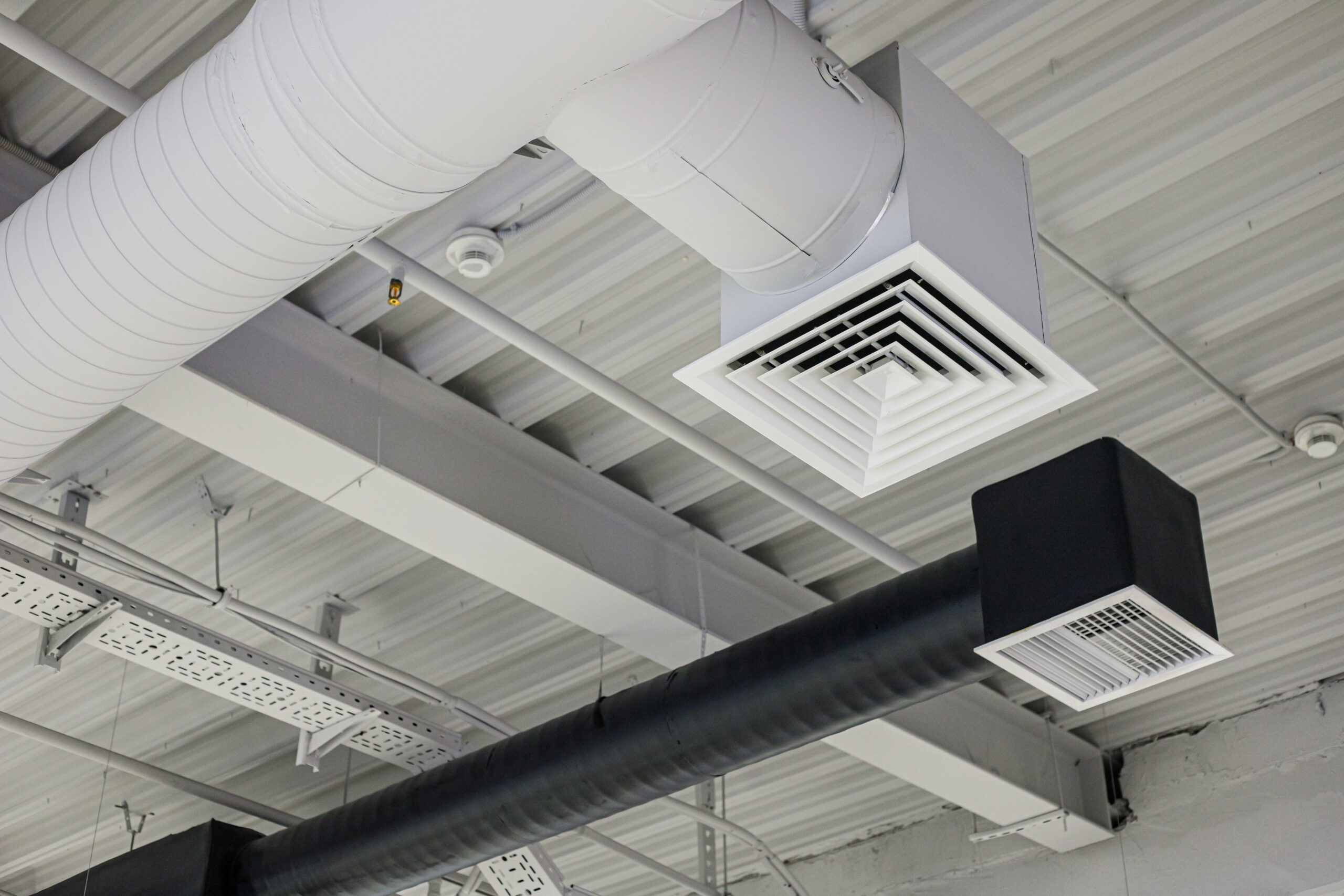
When planning a Commercial HVAC installation, the foundation of success lies in accurate load calculations. These detailed assessments determine exactly how much heating and cooling capacity your building requires for optimal comfort and efficiency.
As your trusted Commercial HVAC contractor, we’ve witnessed countless businesses struggle with improperly sized systems. The difference between guesswork and precise calculations can mean thousands in energy costs and comfort complaints from employees and customers.
Why Is a Commercial HVAC Load Calculation Important?
Load calculations serve as the blueprint for your entire HVAC system, determining the precise heating and cooling requirements for your specific building. These calculations consider multiple factors that directly impact your facility’s comfort and energy consumption.
A proper load calculation examines:
– Building size, orientation, and construction materials
– Window placement, type, and sun exposure
– Occupancy patterns and internal heat sources
– Local climate conditions and seasonal variations
– Insulation levels and air infiltration rates
– Equipment and lighting heat generation
Without accurate calculations, your AC replacement might waste energy, fail to maintain comfort, or break down quicker than expected. We’ve seen businesses spend 20-30% more on energy costs simply because their system wasn’t properly sized during installation.
What Happens If a Commercial HVAC System Is Oversized?
Many facility managers assume bigger equipment means better performance, but oversized systems create serious operational problems that impact your bottom line.
Oversized units cycle on and off frequently, never running long enough to remove humidity effectively. This short cycling pattern creates several costly issues:
Energy Waste: Frequent starts consume significantly more electricity than steady operation. Your utility bills reflect this inefficiency month after month.
Comfort Problems: Rapid cycling prevents proper air circulation and humidity control. Employees experience hot spots, cold drafts, and stuffy conditions that reduce productivity.
Equipment Wear: Constant starting and stopping stresses components like compressors and motors, leading to premature failures and expensive repairs.
Inconsistent Temperatures: Oversized systems reach set points quickly but shut down before conditioning the entire space, creating uncomfortable temperature swings.
Signs of an Undersized Commercial AC Unit
Undersized systems present different challenges but equally impact your business operations and energy costs.
Common Indicators Include:
– Constant Operation: Your system runs continuously without reaching the desired temperatures
– Rising Energy Bills: Equipment working overtime consumes excessive electricity
– Uneven Cooling: Some areas remain uncomfortably warm, while others feel adequate
– High Humidity: Insufficient capacity prevents proper moisture removal
– Frequent Breakdowns: Overworked components fail regularly, disrupting business operations
When we evaluate commercial heating and cooling systems showing these symptoms, load calculations often reveal significant undersizing that requires equipment upgrades or supplemental units.
How to Improve Commercial HVAC Energy Efficiency Through Proper Sizing
Accurate load calculations enable several energy-saving strategies that reduce operational costs while maintaining optimal comfort levels.
Strategic Efficiency Improvements:
Variable Speed Technology: Properly sized variable speed systems adjust capacity based on actual demand, eliminating energy waste from oversizing.
Zoning Implementation: Load calculations identify areas with different conditioning needs, allowing targeted comfort control that reduces overall energy consumption.
Equipment Selection: Precise sizing enables the selection of high-efficiency equipment that operates within optimal performance ranges.
Preventive Maintenance: Correctly sized systems experience less stress, reducing maintenance requirements and extending equipment lifespan.
Benefits of Proper HVAC Sizing for Businesses
Investing in accurate load calculations and proper system sizing delivers measurable returns that improve your facility’s performance and profitability.
Immediate Advantages:
– Lower Energy Costs: Right-sized equipment operates efficiently within designed parameters
– Enhanced Comfort: Consistent temperatures and humidity levels throughout your facility
– Reduced Maintenance: Less equipment stress means fewer repairs and longer service life
– Improved Air Quality: Proper cycling allows effective filtration and ventilation
Long-term Value:
– Equipment Longevity: Properly sized systems typically last 15-20% longer than incorrectly sized units
– Predictable Operations: Fewer emergency repairs and unexpected downtimes
– Energy Compliance: Efficient systems help meet building codes and sustainability requirements
– Higher Property Value: Well-designed HVAC systems enhance building marketability
Take the Next Step for Optimal Performance
Proper load calculations form the foundation of any successful commercial HVAC project. Whether you’re planning a new installation, replacement, or system upgrade, investing in accurate sizing calculations protects your comfort, efficiency, and long-term operational costs.
Ready to ensure your commercial HVAC system delivers optimal performance? Contact Walk on Air today for professional load calculations and expert installation services that keep your business comfortable year-round.