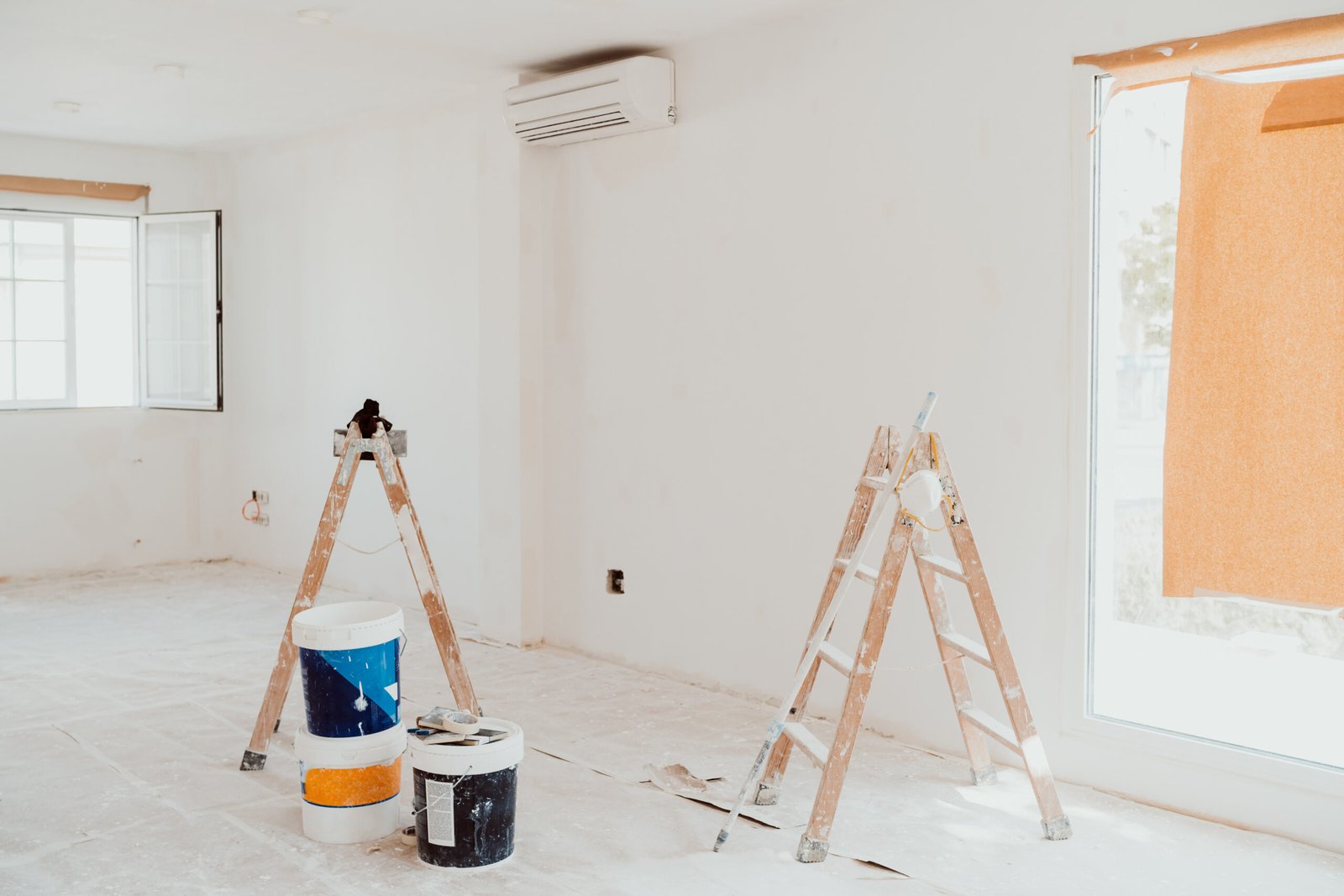
Home renovations are exciting. Whether you are finishing a basement, adding a sunroom, or removing walls for an open floor plan, there are countless details to manage. Flooring, lighting, and paint choices usually dominate the planning phase. Unfortunately, heating and cooling requirements often get pushed to the bottom of the list until it is too late.
Even a minor renovation can completely change how your home heats and cools. Adding square footage, altering airflow patterns, or changing insulation levels directly impacts indoor comfort. If you do not evaluate your HVAC system during the initial design phase, you risk ending up with a beautiful new space that stays perpetually stuffy, cold, or uncomfortable.
Evaluating your heating and cooling needs early allows you to make smart decisions before the first wall comes down.
Why Renovations Can Disrupt Your Existing HVAC System
Your current heating and cooling setup was designed for your home exactly as it was built, not as it will be after the remodel. When you change the structure, layout, or intended use of a room, you are asking the same equipment to do an entirely different job.
Adding square footage means there is simply more area to heat and cool. An HVAC unit that was perfectly sized before the project might suddenly be too small to keep up. Even without adding space, removing walls to open up a floor plan changes how air moves throughout the house, which often creates unexpected hot and cold spots. Adding windows and skylights has a similar effect because more glass increases heat gain from the sun, particularly in sunrooms or spaces facing south.
Converting unused spaces like a garage, attic, or basement introduces entirely new living areas that were never connected to your original ductwork. Upgrading your insulation improves energy efficiency but can also alter your home’s ventilation requirements. Even repurposing an existing room changes the math. Turning a quiet spare bedroom into a home gym or an active office naturally increases the cooling demand in that specific zone.
None of these changes should stop you from remodeling. They are simply reasons to plan your HVAC strategy early in the process.
When Renovating Home Heating and Cooling Makes Sense
Not every remodel requires a complete HVAC system upgrade, but there are certain situations where it is definitely the right call.
If your unit is 10 to 15 years old and you are investing in a major home improvement project, replacing the system now is often a smart move. Upgrading early prevents you from dealing with an unexpected equipment failure shortly after your beautiful new space is complete.
Adding significant square footage is another major factor. Room additions over 400 to 500 square feet usually require a larger central unit or a supplemental system, like a ductless mini-split, to handle the extra demand. Similarly, finishing a basement or attic introduces new living spaces that are rarely connected to your existing ductwork and almost always need dedicated heating and cooling solutions.
A renovation is also the ideal time to fix existing comfort issues. If certain rooms in your house have always been hard to heat or cool, opening up walls gives you the perfect opportunity to finally correct the underlying airflow problems.
Finally, if your project involves upgrading insulation or windows throughout the entire house, you are creating a tighter, more energy-efficient home. This might actually allow you to downsize your equipment, but only if a professional properly reassesses your new heating and cooling demands.
Don’t Treat HVAC as an Afterthought
Addressing your heating and cooling needs during the early planning stages is much easier and far less expensive than waiting until the drywall is up and the floors are finished. Trying to retrofit ductwork or relocate equipment in a newly finished space costs significantly more than doing it right from the start.
Factoring your HVAC system into your initial design ensures your renovated space is just as comfortable as it is beautiful. A quick evaluation early in the process can save you from unnecessary stress and unexpected expenses down the road.
If you are planning a remodel or room addition, contact Walk On Air before the project kicks off to ensure your HVAC system is perfectly suited for your new layout.