A heavy, sticky environment makes a house feel more like a greenhouse than a home. On the other end of the spectrum, overly dry air causes tight skin and scratchy throats. Both extremes are clear signs of an indoor air quality problem.
Many homeowners ignore indoor moisture until it becomes physically uncomfortable. Keeping your home’s humidity balanced is essential for improving daily comfort, protecting your health, and extending the life of your HVAC system.
What Is a Healthy Indoor Humidity Level?
According to the EPA, the ideal indoor humidity level is between 30% and 50%. This range maximizes comfort while protecting your home’s structure, furniture, and indoor air quality.
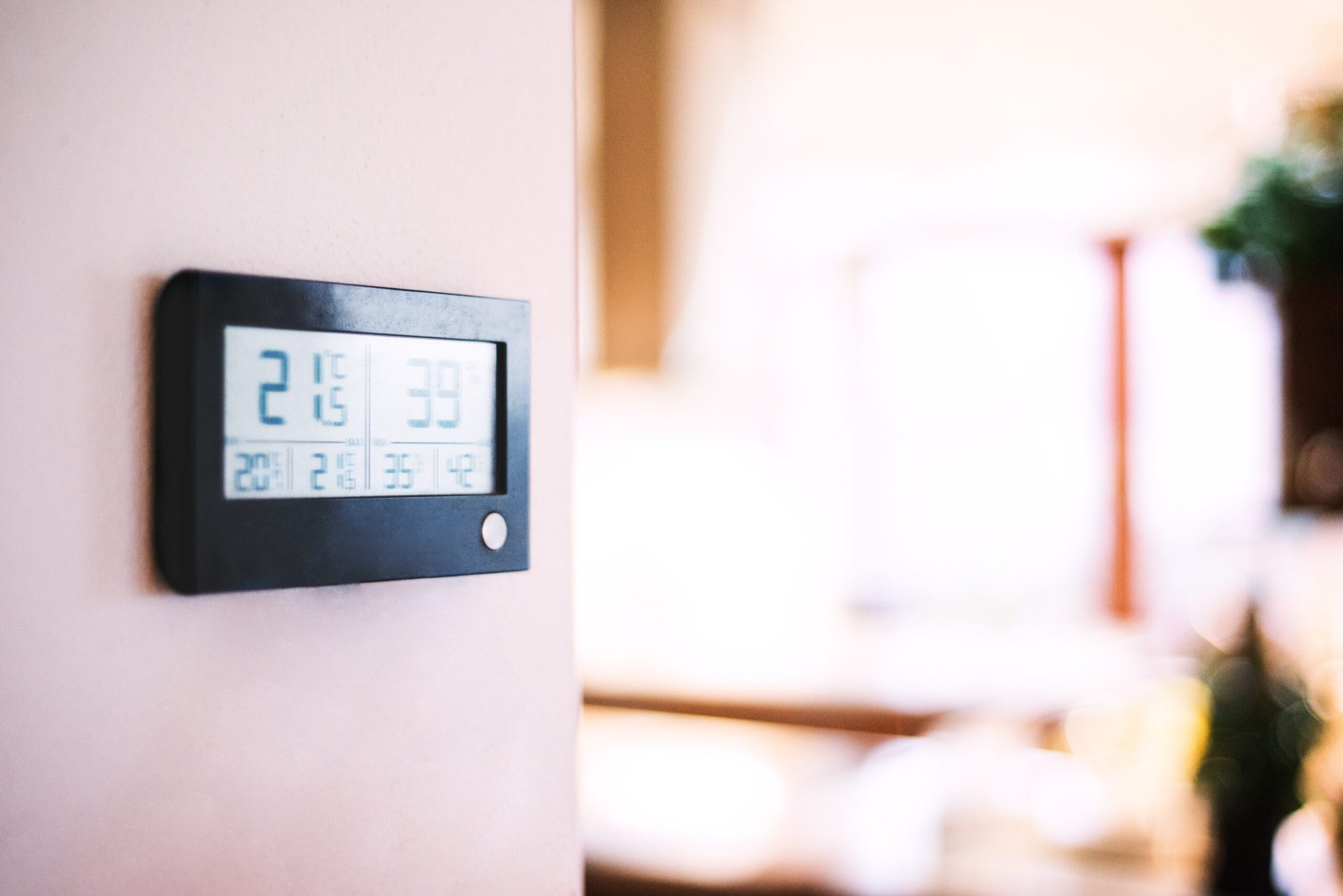
Relative humidity measures the amount of moisture in the air compared to the maximum amount it can hold at a specific temperature. When a room feels damp, the air is retaining excess moisture. You can easily monitor these levels using a hygrometer, an inexpensive device available at most hardware stores.
Signs Your Home’s Humidity Is Too High
Excess moisture is not always immediately obvious. If your indoor levels climb above the healthy 50% threshold, you may notice:
- Condensation on windows or walls
- Musty or stale odors that linger after cleaning
- Visible mold or mildew in bathrooms, basements, or around air vents
- Warping or swelling in wood floors, doors, or cabinets
- A damp, uncomfortable feeling despite a normal room temperature
- Worsening allergy or asthma symptoms
Signs Your Home’s Humidity Is Too Low
Dry air causes a different set of problems, especially during cooler months when heating systems run frequently. When indoor humidity drops below 30%, you might experience:
- Dry, itchy skin or chapped lips
- Frequent static electricity shocks
- Cracking or splitting in wood furniture, floors, or trim
- Frequent nosebleeds or respiratory discomfort
- Widening gaps around doors and window frames
What Causes Humidity Problems in a Home?
Humidity imbalances typically stem from a combination of factors. Common causes include:
- HVAC System Issues: Your air conditioner is responsible for removing indoor moisture. If the unit is improperly sized or malfunctioning, it may cool the house without actually dehumidifying it. A system that turns on and off too quickly does not run long enough to extract moisture from the air.
- Poor Ventilation: Bathrooms, kitchens, and laundry rooms generate significant condensation. Without proper exhaust fans, this moisture remains trapped inside the living space.
- Crawl Spaces and Basements: Unsealed crawl spaces allow ground moisture to evaporate upward. Without a vapor barrier or proper sealing, this dampness easily enters your home from below.
- Daily Activities: Cooking, showering, and washing clothes add water vapor to the air. In tightly sealed, energy-efficient homes, this moisture accumulates quickly.
- Leaks and Water Intrusion: Hidden plumbing drips, roof leaks, or foundation seepage can increase indoor humidity levels long before you see physical water damage.
When Should You Call a Professional?
While minor moisture issues can sometimes be fixed with a portable dehumidifier or improved ventilation, persistent humidity often requires a trained professional. You should schedule an inspection if your HVAC system runs constantly but your home still feels damp, or if you notice mold growth near your air vents. An air conditioner that lowers the temperature without removing that heavy, muggy feeling is a clear sign of a malfunction. Additionally, a technician can verify if your current system is properly sized for your home, as an oversized or undersized unit will struggle to regulate moisture effectively.
At Walk On Air, we evaluate your entire system, checking equipment performance and ventilation to find the exact cause of your indoor air quality issues. Maintaining an indoor humidity level between 30% and 50% protects your property, improves your health, and extends the life of your heating and cooling equipment. If you are struggling to keep your home comfortable and balanced, contact Walk On Air today for an honest assessment and trusted HVAC solutions.